Dental Crowns in Oxnard CA: Expert Care for Lasting Smiles

A healthy smile rarely depends on one perfect tooth. More often, it depends on preserving teeth that have been heavily filled, cracked, worn down, or weakened after root canal treatment. That is where crowns earn their place. In day-to-day practice, few restorations do more to protect a damaged tooth while still letting a patient chew, speak, and smile with confidence.
When people hear the phrase Dental Crowns, they sometimes picture an oversized cap or assume the treatment is mainly cosmetic. In reality, a crown is one of the most practical tools in restorative dentistry. It covers and supports a tooth that can no longer hold up well on its own. It can restore shape, strengthen biting function, and improve appearance at the same time. For many patients seeking Dental Crowns Oxnard CA, the real benefit is not glamour. It is relief. Relief from a tooth that hurts when chewing, relief from a broken filling that keeps recurring, or relief from the worry that a cracked tooth could fail at the worst moment.
Oxnard patients often come in with a familiar story. They had a large filling placed years ago, then another, then another. The tooth still looked serviceable, but each repair left less sound tooth structure behind. Eventually, the filling was no longer the best answer. The tooth needed full coverage, not another patch. That decision, made at the right time, can save a tooth and spare a patient from more extensive treatment later.
When a tooth needs more than a filling
A filling works well when a tooth has a contained area of decay or damage and enough healthy enamel and dentin remain to support the repair. A crown becomes the better option when https://www.merchantcircle.com/oxnard-dentistry-oxnard-ca the remaining tooth is too weak or compromised to reliably hold a filling under the pressure of everyday chewing.
The change from “filling tooth” to “crown tooth” is not arbitrary. It reflects the way forces travel through the tooth. Back teeth can endure hundreds of pounds of pressure in certain chewing moments, especially in patients who clench or grind. A molar that has lost one or more cusps, or one that has a large existing restoration, simply carries stress differently than an intact tooth. Even if it is not hurting much, it may be approaching the point where a crack or fracture becomes likely.
Some situations make the need clearer than others:
- A tooth has a very large filling and little natural structure left.
- A tooth is cracked, fractured, or visibly weakened.
- A tooth has had root canal treatment and needs protection.
- A tooth is severely worn from grinding or acid erosion.
- A tooth is misshapen or discolored enough that full coverage is the most predictable cosmetic fix.
Those are common examples, but real cases often involve overlap. A patient may have a root canal tooth with a large filling and a hairline crack, or a front tooth that is both structurally damaged and cosmetically troubling. Treatment planning depends on what remains of the tooth, where the tooth sits in the mouth, the patient’s bite pattern, and how long the restoration needs to serve.
The quiet value of timing
One of the most important clinical judgments with Dental Crowns is knowing when to recommend one, and when not to. Crowns are excellent restorations, but they are not casual upgrades. A dentist has to remove some outer tooth structure to make room for the material, which means a crown should be placed for a clear reason.
If a tooth can be predictably restored with a conservative filling or onlay, preserving more natural structure often makes sense. On the other hand, waiting too long can cost the patient much more. A tooth that might have been saved with a well-timed crown can split below the gumline if neglected, turning a restorable problem into an extraction. That is the trade-off. Over-treating is poor dentistry, but under-treating a clearly compromised tooth can be just as damaging.
This judgment matters in places like Oxnard, where patients lead busy lives and often postpone care until something feels urgent. The challenge is that cracked teeth do not always announce themselves dramatically. Many begin with vague symptoms, a quick zing on release after biting, occasional sensitivity, or the feeling that one side “doesn’t feel right.” By the time a cusp breaks off while eating, the tooth has usually been under strain for a long time.
What a dental crown actually does
A crown covers the visible part of the tooth above the gumline, restoring contour and distributing bite forces more evenly across the remaining structure. It does not make the tooth indestructible, and it does not reverse underlying disease. What it does, when designed and fitted properly, is give a compromised tooth a better chance to function for years.
Think of it less as a decorative shell and more as structural reinforcement. On a molar, the crown wraps and supports areas that would otherwise flex under pressure. On a front tooth, it can restore form, alignment, and strength after trauma or heavy wear. On a root canal tooth, it can reduce the risk of catastrophic fracture, especially in back teeth that do the hardest chewing.
A good crown should feel unremarkable once the patient adjusts. It should meet the opposing tooth smoothly, allow floss to pass with slight resistance, blend with neighboring teeth when visible, and protect the tooth without trapping food or irritating the gumline. That “it feels like my own tooth again” response is usually the mark of well-executed work.
Materials matter, but fit matters more
Patients often ask which crown material is best. The honest answer is that the best material depends on the tooth, the bite, esthetic priorities, and the amount of available space. The conversation usually includes porcelain, ceramic, zirconia, porcelain fused to metal, and in some cases metal alloys. Each has strengths and limitations.
All-ceramic and porcelain options can provide excellent esthetics, especially for front teeth. They transmit light more naturally and can be matched beautifully when the case allows. Zirconia has become a popular choice for many back teeth because of its strength and durability. Porcelain fused to metal crowns remain useful in some clinical situations, though some patients prefer metal-free options for cosmetic reasons. Full metal crowns, while less common in visible areas, still have a reputation for longevity and can be kind to certain bite patterns when appearance is less of a concern.
The key point is that no material can rescue a poorly designed preparation, a weak bonding strategy, or an inaccurate bite. In practice, crown success depends on a combination of factors: diagnosis, tooth preparation, tissue health, impression or scan accuracy, laboratory quality, and careful adjustment. A beautifully marketed material will still fail if the margin is open or the tooth underneath was never suitable for a crown in the first place.
The treatment process, from diagnosis to final cementation
For patients considering Dental Crowns Oxnard CA, understanding the process takes much of the mystery out of treatment. While techniques vary from office to office, the general sequence is straightforward.
The first visit usually starts with a clinical exam and imaging. The dentist checks the extent of decay, cracks, old filling breakdown, bite stress, gum condition, and the health of the root. If the tooth has symptoms that suggest nerve involvement, the crown plan may need to change. A crown works best on a stable foundation. If the nerve is irreversibly inflamed or infected, root canal treatment may be needed before the final restoration.
Once the tooth is confirmed to be restorable, the area is numbed and the tooth is shaped to create space for the crown material. If an old filling or decay is removed and the remaining tooth is too hollow, a core buildup may be placed first. That rebuilds missing internal structure so the crown has something solid to support. In some cases, especially after root canal treatment, a post may be considered, though modern dentistry is careful not to overuse posts where they do not add clear benefit.
After preparation, the dentist records the shape of the tooth and bite using a digital scan or traditional impression. Shade selection matters for visible teeth, and the best results often come when the dentist, patient, and lab are aligned on expectations. If the crown is in a front tooth, small details like translucency, neighboring tooth color, and surface texture can make a major difference.
A temporary crown is usually placed while the final crown is fabricated. This stage is often underestimated. A good temporary protects the tooth, keeps teeth from shifting, helps maintain gum health, and gives the patient a preview of shape and function. Problems during the temporary phase, such as sensitivity, a rough bite, or recurrent looseness, are worth reporting. They can reveal issues that need attention before final placement.
At the delivery visit, the dentist checks fit, margins, contacts, shade if relevant, and bite. This is not the moment for rushing. Even a slight high spot can make a crown feel “off” and can lead to soreness or excessive pressure on the tooth. Once everything is confirmed, the crown is cemented or bonded according to the material and clinical plan.
Some offices offer same-day crowns using in-house scanning and milling. That can be convenient, especially for busy patients who want to avoid a second visit and temporary restoration. Same-day treatment can be excellent when the technology, case selection, and operator skill line up well. For more complex esthetic cases or certain bite situations, a laboratory-made crown may still offer advantages. Faster is not automatically better, but for the right case it can be a very good option.
What patients often feel, and what they worry about
Most patients do not walk in asking for a crown. They walk in worried about pain, cost, durability, or whether treatment will be obvious to other people. Those concerns are reasonable.
Pain during the procedure is usually well controlled with local anesthesia. What patients notice more often is the pressure of the preparation, the length of the appointment, or temporary sensitivity afterward. A tooth that was already cracked or heavily restored may stay mildly tender for a short period, especially when biting. That usually settles as the tooth and surrounding ligament calm down, though any worsening pain should be checked promptly.
Aesthetics can be a major concern, particularly for front teeth. People do not want a crown that looks flat, too opaque, too white, or bulky at the gumline. The best cosmetic outcomes come from communication. If a patient says, “I want it to look natural, not perfect,” that means something different than “I want it brighter to match whitening I plan later.” Crowns should be planned in the context of the whole smile, not as isolated units.
Durability is another common question. A crown can last many years, but lifespan varies widely. The condition of the tooth underneath, grinding habits, oral hygiene, diet, and bite forces all affect longevity. In practical terms, many crowns serve well for a decade or more, while some fail earlier and others last much longer. Dentistry is not like installing a factory part into a machine. Every mouth is different, and every restoration lives in a dynamic environment.
Crowns are strong, not invincible
One of the most useful conversations a dentist can have with a patient is about realistic expectations. Crowns do not get cavities, but the tooth at the margin still can. Crowns can chip, loosen, wear, or fracture under enough stress. Gum recession can expose edges over time. Cement can wash out. Bite changes can turn a previously comfortable crown into one that takes too much force.
Bruxism, the habit of clenching or grinding, is one of the biggest threats to crown longevity. In coastal communities like Oxnard, where people juggle work, family, and long commutes, stress-related grinding is not unusual. Many patients are surprised to hear they do it, especially if it happens mostly during sleep. A night guard can make a significant difference in protecting both crowns and natural teeth. It is not glamorous, but it often saves a great deal of future dentistry.
Diet also matters. Chewing ice, cracking nutshells, tearing open packages with teeth, and frequent exposure to acidic drinks all create wear patterns that restorations have to survive. Good crowns are engineered for chewing food, not for functioning as tools.
Caring for a crown so it lasts
A crown does not demand complicated care, but it does require consistent care. The goal is to protect the tooth, the gumline, and the opposing bite.
- Brush thoroughly along the gumline twice daily.
- Floss carefully around the crown to reduce plaque at the margin.
- Wear a night guard if you clench or grind.
- Keep regular exams so small issues are found early.
- Avoid using teeth to bite hard non-food objects.
What undermines crowns most often is not a dramatic failure. It is neglect around the edges. When plaque sits at the crown margin, the gum becomes inflamed and decay can start where tooth structure meets restoration. That kind of problem may stay invisible until it is advanced, especially if the crown itself still feels intact.
Patients sometimes ask whether electric toothbrushes are safe around crowns. They generally are, and in many cases they improve plaque removal. Water flossers can also help, especially for patients with bridges or tight contacts. The method matters less than the consistency and quality of cleaning.
The relationship between crowns and root canals
Crowns and root canals are often mentioned together, which can create confusion. They are different procedures that sometimes work as a pair. A root canal treats infection or irreversible inflammation inside the tooth. A crown restores and protects the outside structure when that tooth is too weakened for a filling alone.
Not every root canal tooth automatically needs a crown, but many posterior teeth do, especially molars and premolars. Once the inner pulp is removed and the tooth has already lost significant structure from decay or old restorations, fracture risk becomes a practical concern. Front teeth are more case-specific. If little tooth structure was lost and the bite is favorable, a crown may not always be necessary. That is where individualized judgment matters.
A patient who has just finished root canal therapy sometimes feels frustrated when told a crown is the next step. It can sound like one problem turned into two. The better way to understand it is this: the root canal treats the disease, the crown helps preserve the tooth afterward. Stopping halfway can leave the tooth vulnerable.
Cost, value, and what patients should ask
Crowns are a meaningful investment, and cost varies based on material, complexity, location, insurance coverage, and whether additional procedures are needed. It is sensible for patients to ask what drives the fee. A tooth needing buildup, root canal treatment, gum recontouring, or more advanced esthetic work is not equivalent to a straightforward crown on a relatively intact tooth.
Value is not just the lowest price. It includes diagnosis, quality of materials, precision of fit, time spent adjusting the bite, and what happens if the tooth becomes symptomatic later. Patients should feel comfortable asking whether the tooth has alternatives, what happens if they delay, and what risks are unique to their case. An honest answer may include uncertainty. For example, a dentist may say a cracked tooth has a good chance of settling with a crown, but there remains some risk the crack extends deeper and root canal treatment could still become necessary. That kind of candor builds trust.
Choosing the right provider for Dental Crowns Oxnard CA
A crown may look simple once it is cemented, but excellent results come from careful planning and attention to detail. When evaluating care for Dental Crowns Oxnard CA, patients benefit from looking beyond marketing language. Experience matters, but so does communication.
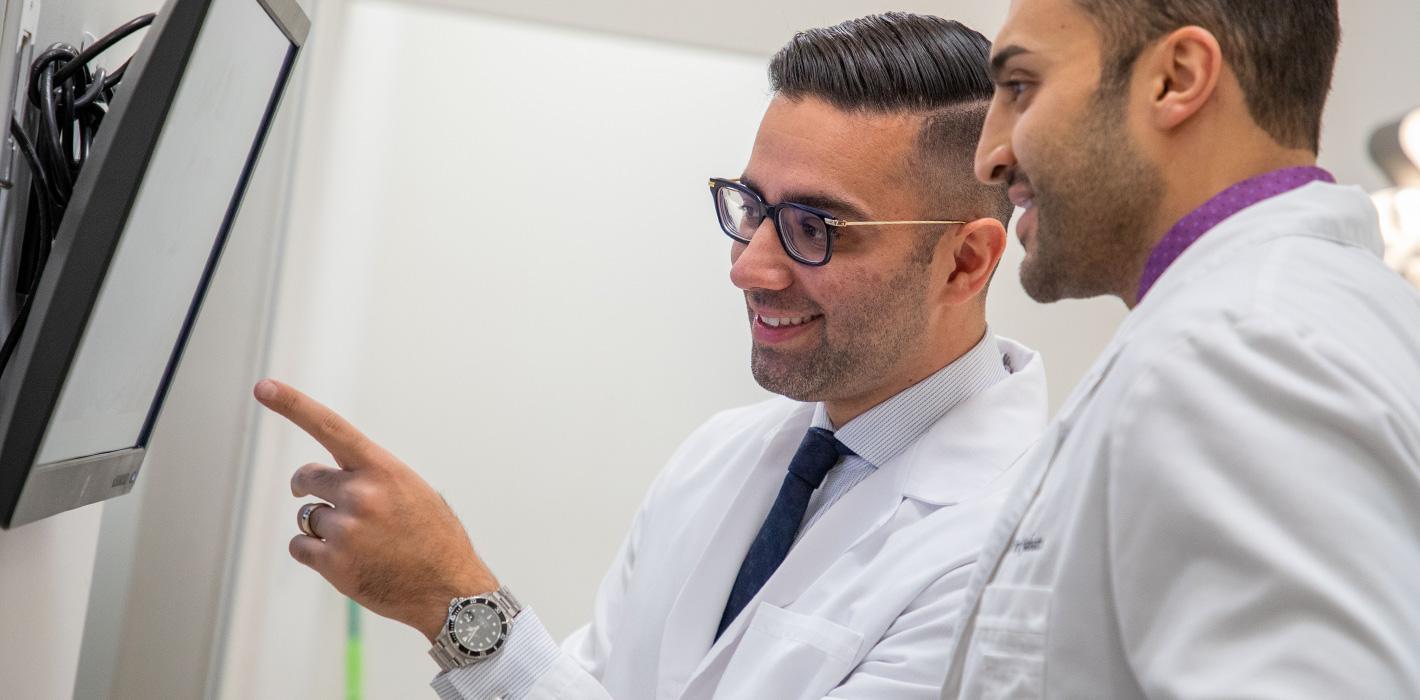
A strong provider explains why a crown is being recommended, shows the tooth on an image when possible, discusses material choices in plain language, and sets realistic expectations. They also pay attention to the bite, because many crown problems begin there. A crown that looks good but hits too hard is a crown waiting to create trouble.
It also helps when the office has a consistent follow-through process. Temporary crown instructions, prompt adjustment visits if the bite feels high, coordination with specialists when root canal or periodontal treatment is involved, and a willingness to answer practical questions all improve the patient experience. Dentistry is technical, but patient confidence often comes down to whether the office handles details well.
For cosmetic cases in visible areas, asking to see examples of similar work can be helpful. Not every dentist approaches smile esthetics the same way. Some favor very bright, uniform results. Others aim for a more natural character with subtle variation. Neither approach is universally right. The right choice is the one aligned with the patient’s goals and facial features.
A restoration that should disappear into daily life
The best crown is not the one a patient keeps noticing in the mirror or feeling with the tongue. It is the one that quietly returns a tooth to service. You chew on it without thinking. You stop avoiding one side of your mouth. You stop worrying that the filling will break again before a weekend trip. That is the practical success of Dental Crowns.
For many adults, crowns become part of long-term dental maintenance, especially if they have older restorations, grinding habits, or a history of cracked teeth. That is not a sign of failure. Teeth endure decades of use, repairs, and changing bite forces. Restorative dentistry exists to help them keep doing their job.
When a crown is recommended thoughtfully, placed precisely, and maintained well, it can protect far more than a single tooth. It can preserve comfort, function, and confidence for years. In a busy community like Oxnard, where patients want solutions that hold up in real life, that kind of durability matters.
Oxnard Dentistry
Address: 1730 E Gonzales Rd, Oxnard, CA 93036
Phone number: +18056049999
FAQ About Dental Crowns Oxnard CA
How long do crowns last on teeth?
Dental crowns typically last 10 to 15 years, but can last 20 to 30 years with excellent oral hygiene. Lifespan depends heavily on the crown material, your daily brushing and flossing habits, and whether you clench or grind your teeth.
What is the downside of crowns on teeth?
The primary downside of dental crowns is that the preparation process is irreversible. To properly fit a crown, a dentist must permanently shave down a significant portion of your natural tooth enamel. This exposes the tooth to potential risks like nerve inflammation, increased sensitivity, and structural weakening.
Why do dentists push for crowns?
Dentists often recommend crowns to save a structurally compromised tooth. If a tooth is heavily cracked, worn down, or has a cavity too large for a filling, a filling will not provide enough structural support, causing the tooth to eventually split. Crowns act like protective helmets, preventing tooth loss.